The Mamelucks
The Mamelucks were a class of elite, warrior-enslaved people – primarily of Turkic, Circassian, and Central Asian descent – who served in the Islamic world from the 9th to the 19th century. Rising from slavery to military dominance, they famously established their own powerful sultanate in Egypt and Syria from 1250 to 1517.
Their history as a ruling class is defined by a few key elements:
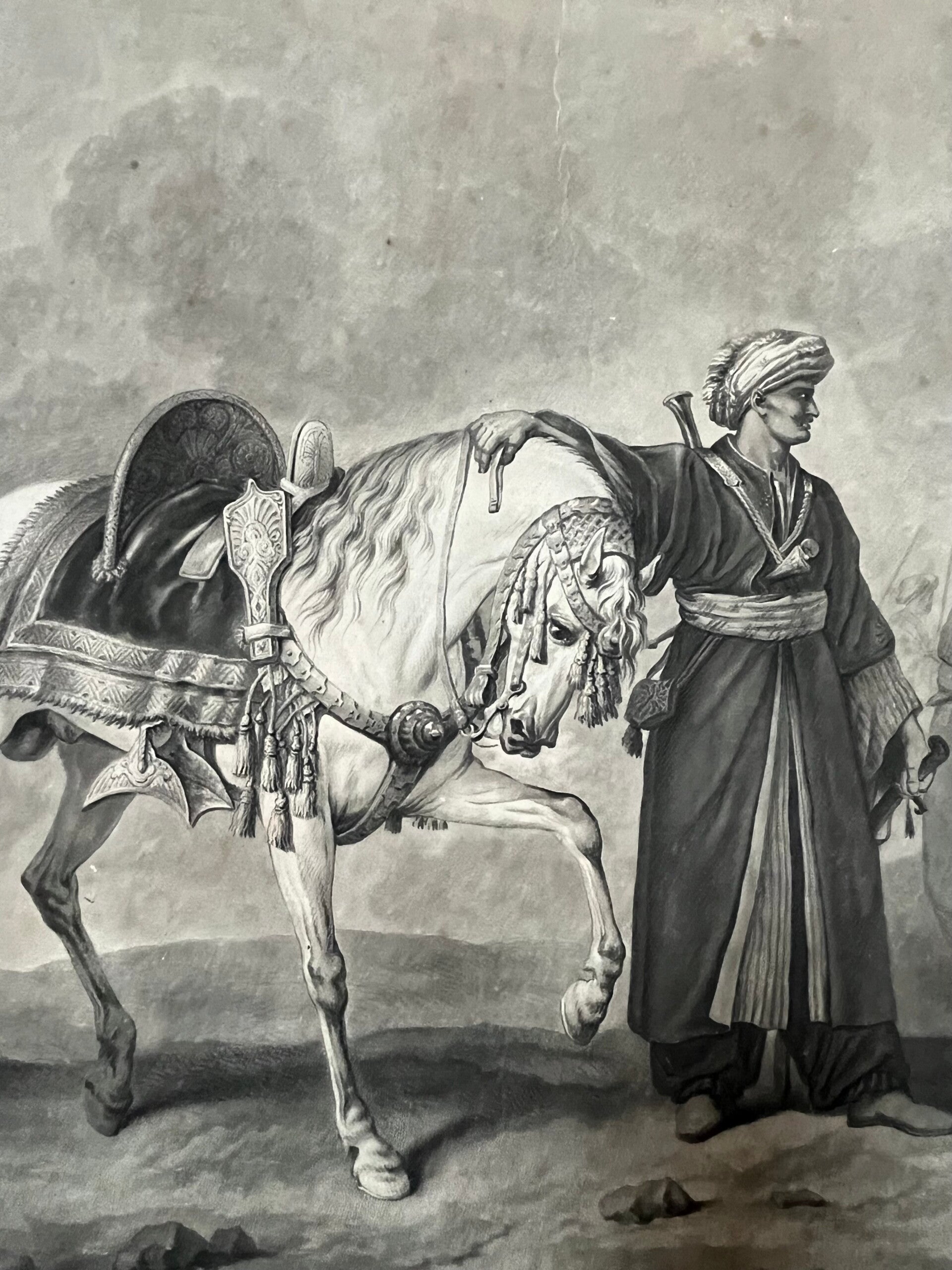
Origin and Status
Derived from the Arabic word for "slave" or "owned", young boys were purchased, converted to Islam, and heavily trained as elite cavalry. Because they were cut off from local tribal politics, rulers trusted them as a loyal personal guard.
Defeating the Mongols and Crusaders
The Mamelucks played a major role in medieval history by stopping the Mongol expansion into the Middle East at the Battle of Ain Jalut in 1260. They also drove the final Crusader kingdoms out of the Levant.
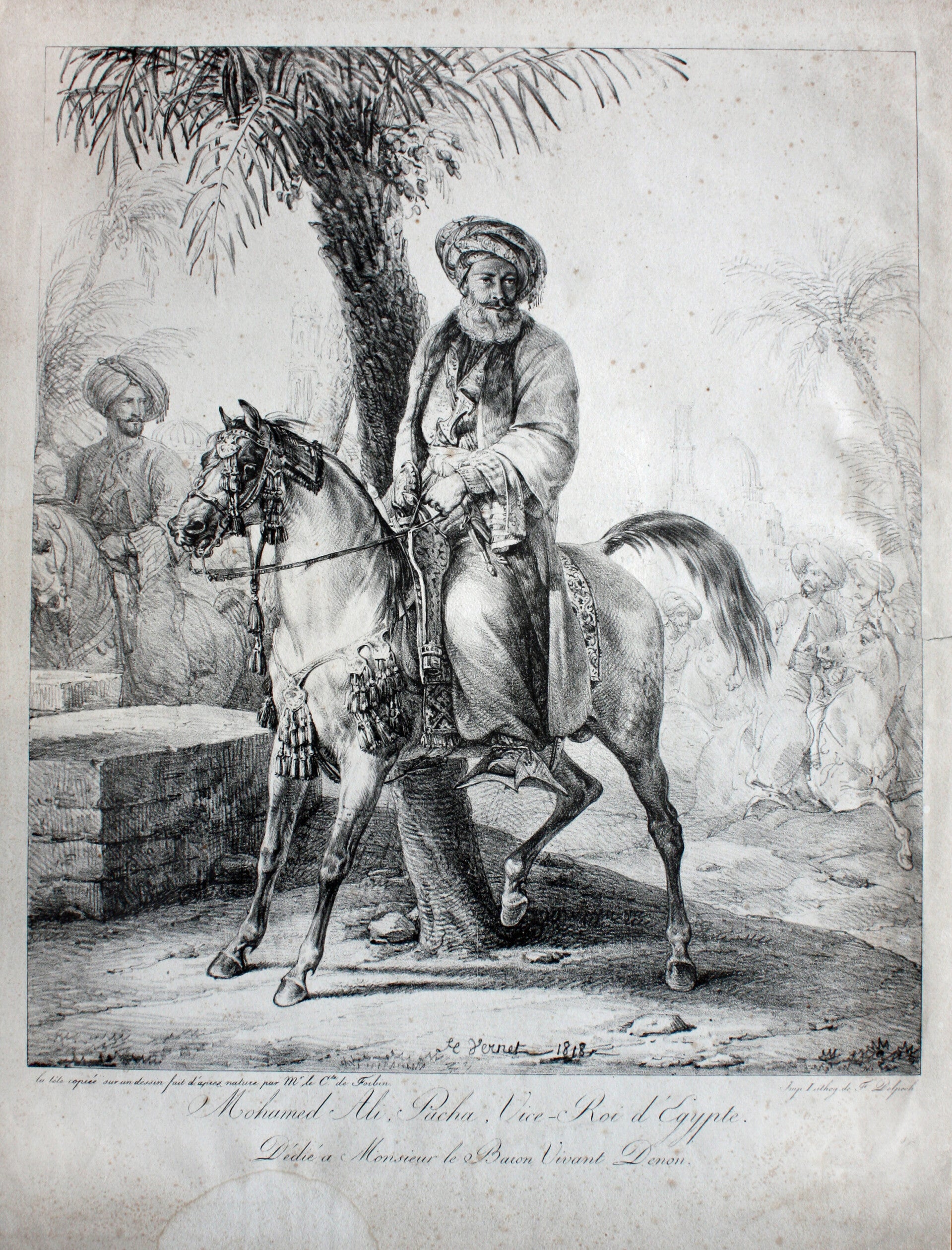
The Mameluck Sultanate (1250–1517)
In 1250, Mameluck generals overthrew their masters, the Ayyubid dynasty, and seized control of Egypt and Syria. Instead of passing power purely by inheritance, leadership was determined by military strength, merit, and allegiance.
The Ottoman Era
In 1517, the Ottoman Empire conquered the Mameluck Sultanate. However, the Mamelucks continued to exist as a powerful local military and administrative caste in Egypt, maintaining significant autonomy until their final elimination by Muhammad Ali Pasha in 1811 during the Citadel Massacre.
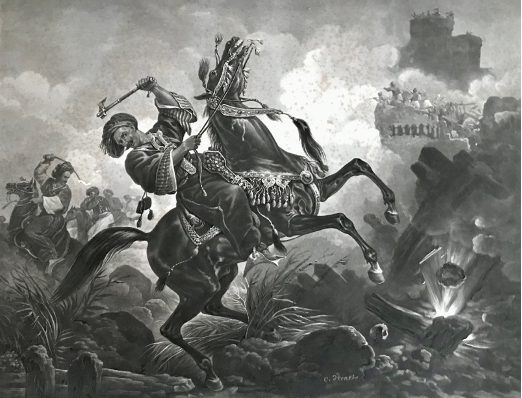
Mohammed Ali Pasha, the Ottoman governor of Egypt wanted absolute control over the region. So he established a trap. Mohammed Ali Pasha invited 470 Mameluck beys (leaders) to the Cairo Citadel for a grand celebration. The Mamelucks arrived in their finest robes, dined and participated in the festivities. As the Mameluck procession marched out of the Citadel, through a narrow, high-walled passage called the Bab al-Azab, Muhammad Ali ordered the gates to be locked. Albanian mercenaries stationed on the walls opened fire on the trapped Mamelucks. Almost all 470 leaders were killed. A famous legend tells that only one Mameluck bey, Amin Bey, survived by forcing his horse to leap from the high Citadel walls.
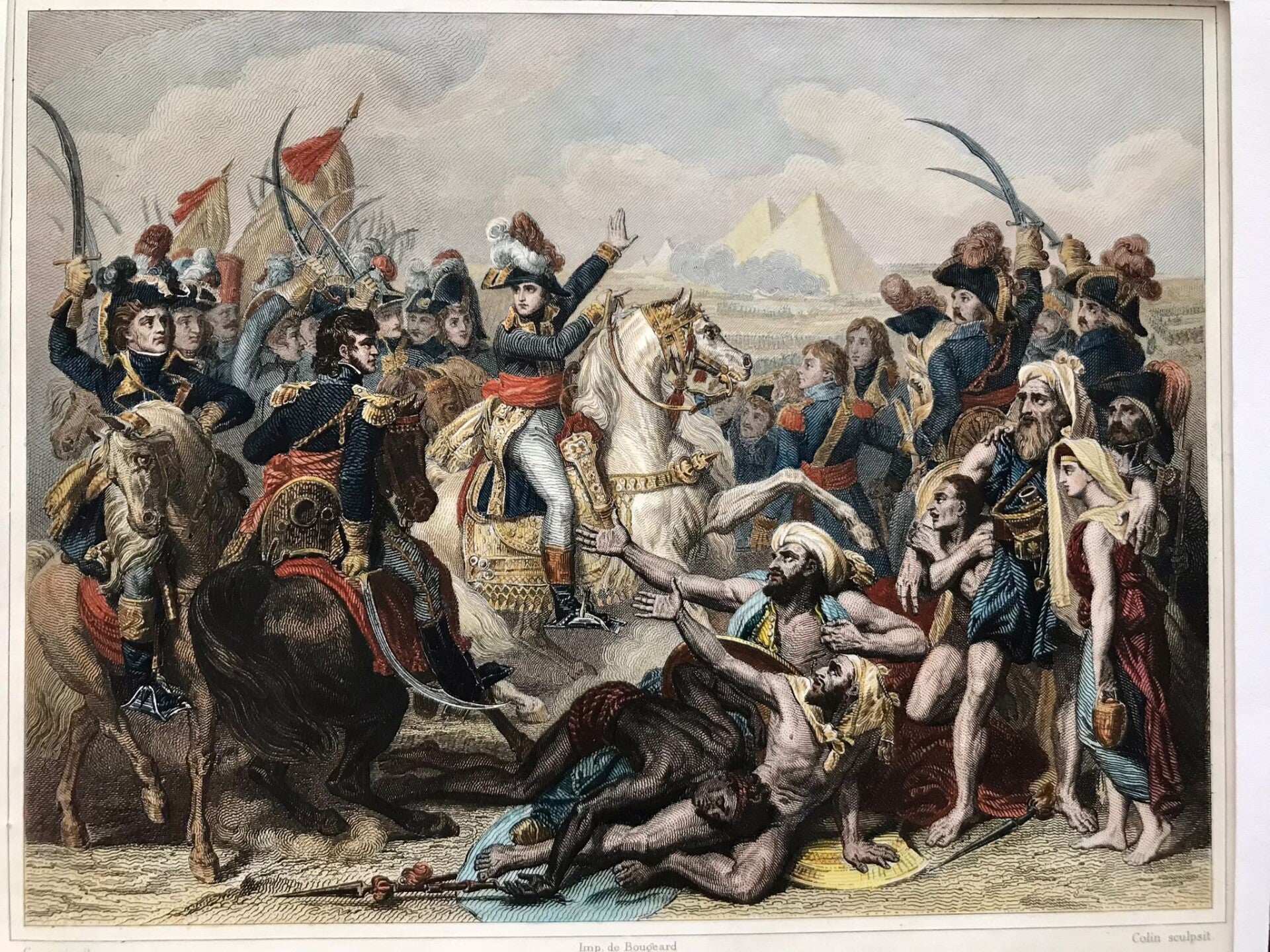
Napoleon and the Mamelucks
Also Napoleon (1769 – 1821) fancied the skills of the Mamelucks and their impressive steeds. He fought against them during the French campaign in Egypt and Syria and defeated them at the famous Battle of the Pyramids. Napoleon recruited several Mamelucks and established the Mameluck Squadron of the Imperial Guard, an elite cavalry unit in France. In his book “Napoleon in Egypt”, Vertray provides a colorful description:
“In the background, the desert under the blue sky; before us, the beautiful Arabian horses, richly harnessed, snorting, neighing, prancing gracefully and lightly under their martial riders, who are covered with dazzling arms, inlaid with gold and precious stones. Their costumes are brilliantly colorful; their turbans are surmounted with aigret feathers, and some wear gilded helmets. They are armed with sabres, lances, maces, spears, rifles, battle axes, and daggers, and each has three pairs of pistols.” He continues: “A Mameluke was almost never captured: he was either victorious, or he was killed, or he fled with the same lightning speed with which he attacked. As a consequence, he carried with him, in jewels, clothes, and coins, a veritable fortune. Over a muslin shirt, he wore layers of bright and brilliant silken vests and caftans, the whole encased in gigantic silken trousers, a single leg of which a large man could have wrapped himself. The Mameluks’ stature was usually gigantic – they were picked as boys by experts – and their features handsome.”
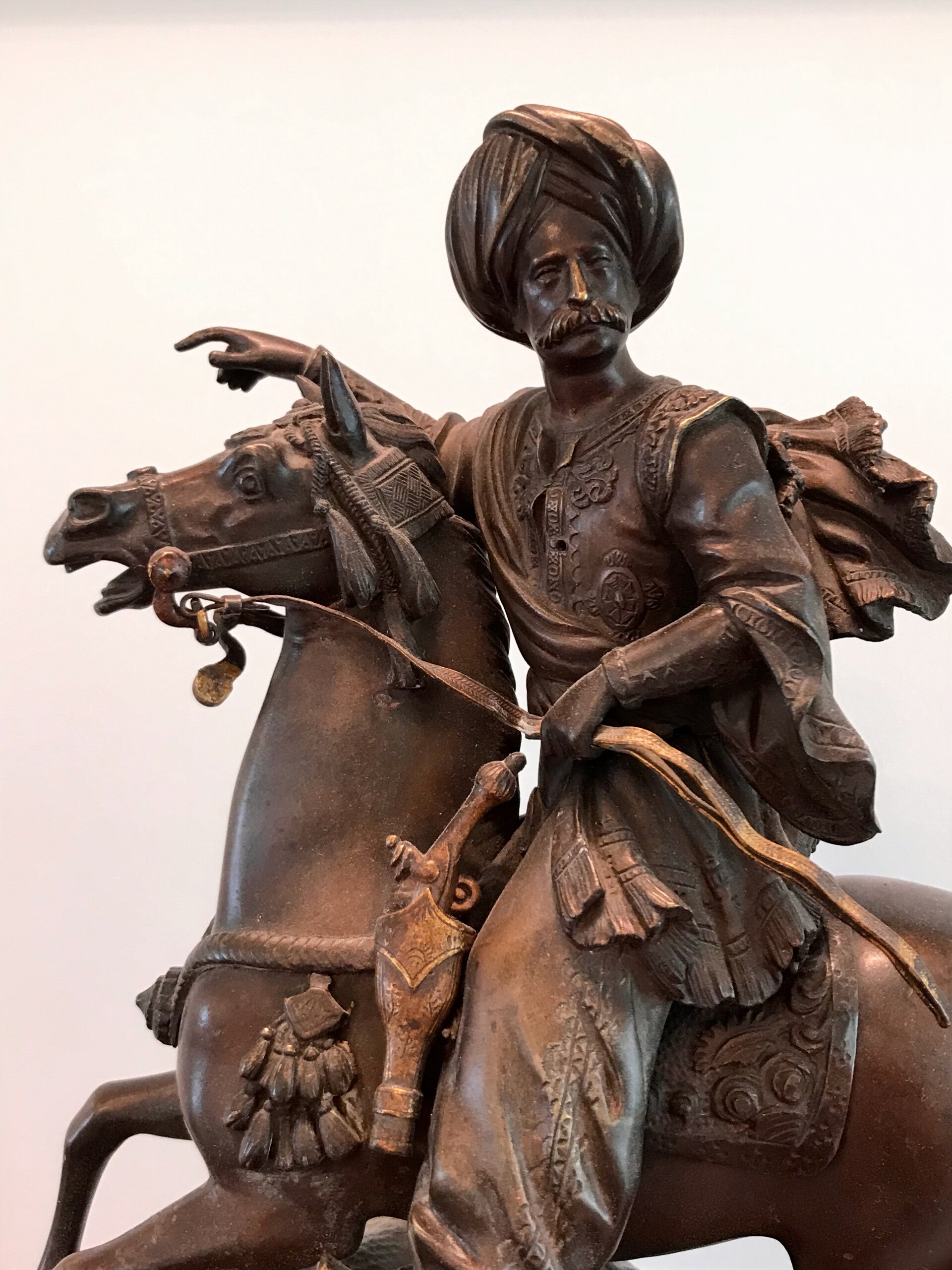
The Arabian Horse of the Mamelucks
The Mameluck Sultanate (1250–1517) transformed the Arabian horse from a regional desert mount into a highly specialized warhorse and a formalized symbol of military prestige. By establishing strict breeding, rigorous training, and professional care standards, they even contributed to modern equestrianism.
The Mamelucks impacted Arabian horse breeding in several distinct ways:
Formalized Furūsiyya Training
The Mamelucks transformed horseback riding from a basic transport method into an advanced military science called furūsiyya. They developed comprehensive training regimens emphasizing archery, lance-fighting, and agility, directly influencing the type of horses selected for breeding.
State Studs
Ruling from Cairo, they established centralized, state-run stud farms across Egypt and Syria. Rather than relying solely on Bedouin herds, sultans and emirs actively managed large-scale breeding programs to produce superior cavalry mounts.
Written Treatises
Mameluck scholars and veterinarians authored extensive manuals on horse breeding, anatomy, training, and veterinary medicine. These texts documented pedigrees, coat colors, physical traits, and behavioral characteristics, laying groundwork for systematic equine record-keeping.
Diplomatic Currency
Elite Mameluck warhorses were highly coveted and frequently utilized as diplomatic gifts. Sultans exchanged prized mares and stallions with neighboring powers (such as the Ottomans and European courts), cementing the international prestige of the Arabian breed.